The Making of a Manager by Julie Zhuo
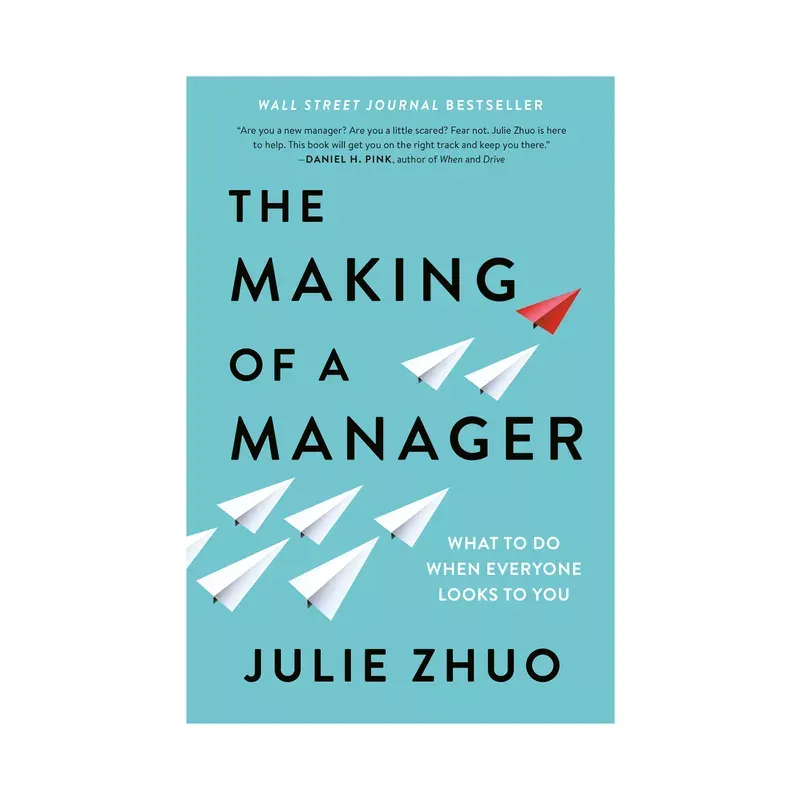
This book is great for: People Managers, Imposter Syndrome, Work Life Balance, Positive Leadership
For new people managers, this is a highly useful read. As a manager, you’ll experience a wide range of emotions—from joy to discomfort—while navigating unfamiliar situations, advocating for your reports, and supporting them as a steady presence when they need you. This book explores these scenarios and offers guidance on how to manage your emotions and responses, helping you create a safe and supportive space for your team. Sometimes, to be the rock, you must be still and monkish like a rock!
I related to the author Julie Zhuo’s vulnerability, conscientiousness, and love for justice. Like many of my favorite managers, she cared about and took pride in “being a human first”. Taking the time to get to know her colleagues’ lives outside of work and building authentic relationships, and setting aside time to fulfill herself with hobbies and family were pivotal for her to feel like a whole human and give her best self to her work. Zhuo took Radical Candor a step further, emphasizing how building this kind of trust can create a strong support system even within the workplace.
As I was reading this book, and onboarding to FALCON, I felt the parallels of learning about my teammates and direct reports—their hobbies, tastes, tolerance for sarcasm, and whether they lived with family or roommates. Taking the time upfront to understand each person’s style—whether they’re steady or high-achieving—what they respond best to (soft like brie or firm like manchego), as well as their strengths (subject matter expert or jack of all trades) and weaknesses (like struggling to say no—I can relate), really paid off. It also helped me better understand who to rely on for specific needs, whether for advice, documentation, or support during difficult conversations.
Zhuo emphasized the importance of a healthy mindset. Some of her tips were to be positive in the face of adversity or conflict, set good boundaries, be grateful for wins, and visualize outcomes. After reading the book, I’ve started to visualize my outcomes.
Reading the book, I thought about what outcomes I wanted to achieve coming up for the quarter and if there were any that might not happen the way I envisioned. I visualized my report closing out all of his objectives and feeling fulfilled. Realizing my report was in danger of not finishing his goals in time for the close of the quarter, I thought about his personality and what I had tried up to this point that hadn’t worked yet. I switched to “Helper” mode.
I visualized myself giving an uncomfortable conversation to him about the risks I had detected, and my needing to step in to help him finish one of his courses in time. I visualized possible responses he might give and what I could say to refute or encourage those responses.
When the time finally came to have the conversation, it went so much better than I thought it would. He accepted that he needed to do something differently. I created a schedule for him over the course of 4 days with course section milestones, set up slack reminders to “bug him” with, and asked him to slack me every time he finished one of those milestones. The visualization, and the planning that came with that, took me 80% of the way there.
Zhuo also spoke about imposter syndrome at length, which the other two books I had read for my objectives mentioned as well. This always creeps up on me without fail before every big meeting, any call with a bunch of strangers I’ve never met, and used to be a constant source of anxiety for me when I played music.
Reading about these leaders, brilliant people at the top of their game, who still experience these moments is both validating and refreshing (the opposite of gaslighting). In that spirit of recognizing wins and visualizing positive outcomes, I encourage you to keep a list of what truly brings joy and what you do well. Reflecting on it regularly can help identify areas for growth, so you can continue improving and feeling positive.
Zhuo’s approach of offering subtle yet targeted feedback rooted in a deep understanding of her teammates, while showing up to work as her whole self, offers a powerful perspective on what it means to lead fearlessly.